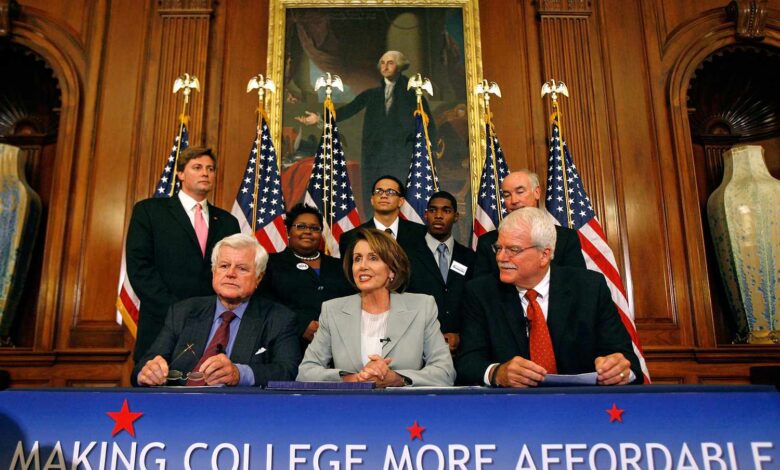
Federal grants have long been a cornerstone of the United States’ economic development, scientific research, and social programs. They provide crucial funding for initiatives that would otherwise be difficult or impossible to undertake at the state and local levels.
However, the future of federal grants is increasingly uncertain as policymakers grapple with issues of fiscal responsibility, program effectiveness, and the changing landscape of American politics.
This article explores the future of federal grants in the U.S., examining trends, potential changes, and their implications for various sectors.
The Role of Federal Grants in the U.S. Economy

Federal grants are vital in supporting economic growth and development across the country. They are used to fund a wide range of initiatives, including:
- Infrastructure: Federal grants are essential for building and maintaining transportation systems, public facilities, and other critical infrastructure projects.
- Education: Grants help to support public schools, colleges, and universities, ensuring that all Americans have access to quality education.
- Research and Development: Federal grants are a significant funding source for scientific research, driving innovation and economic growth.
- Social Programs: Grants support various social programs, such as food assistance, affordable housing, and healthcare.
Current Trends in Federal Grant Funding

To understand the future of federal grants, examining the current trends shaping the landscape is essential.
- Increased Focus on Innovation and Technology
The federal government has increasingly prioritized funding for innovation and technology, particularly artificial intelligence (AI), cybersecurity, and renewable energy.
Grants supporting research and development in these fields will likely grow, reflecting the government’s commitment to maintaining the U.S.’s competitive edge in the global economy.
- Emphasis on Equity and Inclusion
There has been a significant push towards ensuring that federal grants are distributed equitably, with a focus on underserved communities.
Initiatives promoting racial and economic equity, such as those supporting minority-owned businesses and historically Black colleges and universities (HBCUs), have gained prominence.
This trend is expected to continue, with future grant programs likely to include provisions that prioritize equity and inclusion.
- Climate Change and Environmental Sustainability
As the effects of climate change become more pronounced, federal grant funding for environmental sustainability initiatives is expected to increase.
This includes grants for renewable energy projects, conservation efforts, and climate resilience planning.
The Biden administration’s focus on checking climate change suggests that this area will remain a priority in the coming years.
- Response to Public Health Crises
The COVID-19 pandemic has highlighted the importance of federal grants in responding to public health crises.
Funding for vaccine development, public health infrastructure, and emergency response capabilities has been crucial in managing the pandemic.
The federal government will likely continue prioritizing grants that enhance the nation’s preparedness for future public health emergencies.
The Challenges Facing Federal Grants

Despite their importance, federal grants face many challenges that could impact their future:
- Fiscal Constraints: The federal government faces significant fiscal challenges, including a growing national debt and increasing spending pressures. These constraints may limit the availability of funds for grants.
- Program Effectiveness: There is ongoing debate about the effectiveness of federal grant programs. Some critics argue that many programs could be more efficient or achieve their intended goals.
- Accountability and Transparency: There is a growing need for greater accountability and transparency in federal grant programs. This includes ensuring that funds are used appropriately and that programs produce results.
- Political Polarization: The increasing polarization of American politics has made reaching a consensus on federal grant programs difficult. This can lead to gridlock and funding delays.
Potential Reforms to Federal Grants

To address these challenges, policymakers are considering several reforms to federal grant programs. These include:
- Consolidation and Streamlining: One option is to consolidate and streamline federal grant programs, reducing administrative costs and making it easier for recipients to access funding.
- Performance-Based Budgeting: Another approach is to adopt performance-based budgeting, which would allocate funds based on the results achieved by grant programs.
- Increased Accountability: To improve accountability, policymakers could require grant recipients to submit more detailed reports and undergo more frequent audits.
- State and Local Flexibility: Some argue that federal grant programs should provide more flexibility to states and local governments, allowing them to tailor programs to meet their needs.
The Future of Federal Grants

The future of federal grants in the United States will depend on policymakers’ ability to balance the need for funding with the demands for accountability and efficiency. Implementing reforms that address these challenges can ensure that federal grants continue to play a vital role in supporting economic growth, scientific research, and social programs.
Here are some areas where innovation could play a key role:
- The Impact of Technology: Advances in technology, such as artificial intelligence and big data, could transform how federal grants are managed and delivered.
- The Role of Public-Private Partnerships: Public-private partnerships could be a valuable tool for leveraging federal grant funds and achieving greater efficiency.
- The Changing Needs of the Country: As the United States faces new challenges, such as climate change and economic inequality, the focus of federal grant programs may need to evolve to address these emerging needs.
The future of federal grants in the United States is a complex issue with no easy answers. By carefully considering the challenges and opportunities facing these programs, policymakers can work to ensure that they continue to serve the needs of the American people.
Preparing for the Future of Federal Grants
Organizations that rely on these funds must adapt to the changing environment. Here are some strategies to prepare for the future:
- Diversify Funding Sources
Organizations should not rely solely on federal grants for funding. Diversifying funding sources, such as seeking state and local grants, private donations, or revenue-generating activities, can provide a buffer against potential reductions in federal funding.
- Build Strong Partnerships
Building strong partnerships with other organizations, including government agencies, non-profits, and private sector partners, can enhance an organization’s ability to secure and effectively use federal grants. Collaborative efforts can also increase the impact of grant-funded projects.
- Focus on Measurable Outcomes
As accountability becomes more critical, organizations should focus on demonstrating measurable outcomes from their grant-funded projects.
This can include collecting data, conducting evaluations, and using evidence-based practices to show the impact of their work.
- Keep Yourself Updated
It’s important for organizations that rely on federal grants to stay updated on policy changes, funding shifts, and new priorities.
Monitoring updates from federal agencies, attending relevant conferences, and engaging in industry networks can help organizations stay prepared and adapt to changes.
Conclusion
Technological advancements, policy changes, and budget constraints will influence the future of federal grants in the U.S. While challenges like limited funding and increased competition are expected, there are also opportunities for growth and innovation.
Federal grants will remain crucial for supporting the nation’s most essential needs. Those prepared to adapt to these changes will be best positioned to secure the necessary funding to achieve their goals and contribute to the nation’s progress.
Also Read: How to Translate Video Effectively for Product Demos