Introduction
Tucked along the dramatic Adriatic coastline, Kotora Melnkalne is a destination that quietly stays with travellers long after they leave. The name often appears in regional searches and travel discussions, yet many people are unsure what it refers to or why it matters. In reality, it points to the historic town of Kotor in Montenegro, a place shaped by centuries of history, striking natural scenery, and a slower, more reflective style of travel. This guide provides clear, trustworthy insight for anyone planning a visit, without exaggeration or tourist clichés.
Understanding the Name and Its Background
Many travellers initially assume this phrase refers to a small village or a separate region. In fact, it is a linguistic variation rather than a different destination. “Melnkalne” relates closely to Montenegro’s name as expressed in several European languages, while “Kotora” refers directly to the coastal town of Kotor.
This naming variation appears most often in searches from Central and Eastern Europe, where place names follow different linguistic traditions. Once this connection is understood, travellers realise they are researching one of the Adriatic’s most historically rich and visually striking towns.
Where the Destination Is Located

Kotor is located in southwestern Montenegro, set deep within the Bay of Kotor along the Adriatic Sea. Unlike open seaside resorts, the bay curves inward and is surrounded by steep limestone mountains that rise almost directly from the water.
Key location details include:
- Situated on a sheltered bay with calm waters
- Approximately 90 kilometres from Dubrovnik, Croatia
- Close to Tivat Airport, the nearest international airport
- Accessible by scenic coastal roads and regional transport
This geography gives the town a peaceful, enclosed atmosphere that feels very different from busier Mediterranean destinations.
Why Travellers Choose This Destination
Kotor appeals to travellers who value atmosphere, history, and authenticity over large resorts or nightlife-focused tourism. It is a place designed for walking, observing, and taking time to explore.
Travellers are drawn to:
- A remarkably preserved medieval old town
- Narrow stone streets are ideal for slow exploration
- Elevated viewpoints offering panoramic bay views
- A relaxed rhythm that encourages longer stays
Many visitors describe the experience as immersive rather than overwhelming, making it especially appealing for couples, solo travellers, and culture-focused visitors.
Historical and Cultural Importance
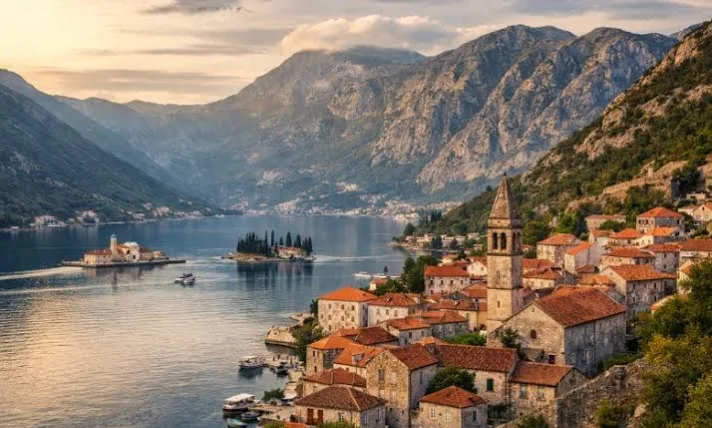
Kotor’s history spans more than two thousand years. Roman foundations, Byzantine influence, Venetian rule, and Austro-Hungarian administration have all shaped the town’s architecture and identity.
Notable historical features include:
- Fortified city walls climb the mountainside
- Romanesque churches and Venetian palaces
- A long maritime tradition tied to Adriatic trade
- Cultural festivals that remain part of local life
Because of its preservation and unique setting, Kotor’s old town is recognized as a UNESCO World Heritage Site. UNESCO describes it as an exceptional example of a medieval town integrated into a dramatic natural landscape.
Best Time to Visit
The experience of visiting Kotor changes noticeably by season, and the best time depends on personal travel preferences.
Seasonal overview:
- Spring (April to June): Mild weather, fewer visitors, excellent for walking
- Summer (July to August): Warm temperatures, lively streets, higher cruise traffic
- Early autumn (September to October): Pleasant climate, relaxed pace, ideal sightseeing
- Winter (November to March): Very quiet, limited tourism, authentic local atmosphere
Many experienced travellers prefer late spring or early autumn for comfort and balance.
Things to See and Do
Despite its compact size, Kotor offers a wide range of experiences beyond basic sightseeing.
Popular activities include:
- Exploring the old town’s squares, churches, and museums
- Hiking the stone path to the fortress above the city for panoramic views
- Taking boat trips across the bay to nearby villages and islands
- Enjoying quiet cafés hidden within narrow stone alleys
Early mornings and evenings often provide the most rewarding atmosphere, when the streets are quieter, and the town feels more personal.
Food and Local Dining Experience
Local cuisine reflects Montenegro’s blend of coastal and inland traditions. Seafood plays a central role, balanced by hearty mountain influences.
Everyday dining experiences include:
- Fresh fish, mussels, and squid from the bay
- Grilled meats prepared simply with local herbs
- Regional cheeses and cured meats
- Strong coffee enjoyed slowly in outdoor cafés
Dining in Kotor is typically relaxed and informal, focusing on flavour and freshness rather than formality.
Accommodation Options
Accommodation in Kotor is primarily small-scale and locally run, rather than dominated by international hotel chains.
Typical options include:
- Guesthouses and apartments inside the old town
- Boutique hotels along the waterfront
- Family-run stays in nearby hillside villages
Staying inside the old town offers atmosphere and convenience, while accommodations outside provide quieter nights and broader views.
Practical Travel Tips
A few practical considerations can help travellers enjoy a smoother visit.
Helpful tips include:
- Wear comfortable shoes for uneven stone streets
- Visit major attractions early to avoid cruise crowds
- Carry some cash for small cafés and shops
- Dress modestly when entering churches
Travellers who move slowly and explore beyond the busiest routes often discover the most memorable moments.
Why People Search for This Destination Name
Most people searching this phrase are looking for clarity rather than hidden secrets. They want to know where the destination is, what the name means, and whether it is worth visiting. This guide is designed to answer those questions clearly, honestly, and without exaggeration.
FAQs
What country is this destination located in?
It is located in Montenegro, a Balkan country along the Adriatic coast in southeastern Europe.
Is it suitable for first-time travellers to Europe?
Yes. The town is safe, walkable, and easy to navigate, making it suitable for first-time visitors.
How long should travellers stay?
Two to three days is usually enough to explore the town and enjoy nearby bay excursions.
Is it an expensive destination?
Costs are moderate compared to Western Europe, though prices rise slightly during peak summer months.
Is English widely spoken?
English is commonly spoken in tourist areas, especially among hospitality staff.
Conclusion
With its layered history, dramatic natural setting, and relaxed pace, Kotora Melnkalne offers an experience rooted in authenticity rather than spectacle. From medieval streets to mountain-framed bay views, it rewards travellers who explore thoughtfully, making it a meaningful and memorable Adriatic destination.
Also Read: What Is Döziv?