Introduction
The internet is full of platforms that appear suddenly, gain attention, and spark curiosity among users. Simpciry is one of those names many people are encountering for the first time. Whether it seems through shared links, online discussions, or social media mentions, unfamiliar websites often raise important questions about safety, legality, and privacy. Before clicking, signing up, or engaging with any such platform, it is essential to understand what you may be getting into and how it could affect your digital life.
What Is Simpciry and Why Are People Searching for It?

Simpciry is a term that frequently appears in searches related to online communities, shared content platforms, and private discussion networks. In most cases, users do not actively seek it out at first. Instead, they come across it through online conversations, recommendation threads, or forwarded links.
Many people search for it because:
- They noticed it in a forum or comment section
- Someone shared a link privately
- It appeared in search results while browsing related topics
- They were curious about exclusive or restricted content
- They wanted to explore new digital communities
Unlike major platforms with strong brand recognition, smaller or lesser-known websites can be challenging to evaluate. This uncertainty is often what leads users to search for more information.
How These Types of Platforms Usually Operate
Websites similar to Simpciry generally function as community-driven spaces where users share, discuss, and exchange digital material. These platforms tend to rely heavily on member participation rather than formal moderation systems.
Common Platform Features
Most sites in this category include:
- Basic user registration systems
- Public and private discussion threads
- Content-sharing sections
- Limited administrative oversight
- Community-based moderation
Because these platforms often operate independently, quality control can be inconsistent.
How Content Is Shared
Information and media are usually distributed through:
- Third-party file-hosting services
- Temporary download links
- Encrypted messaging apps
- Invitation-only sections
- External storage platforms
While these methods may seem convenient, they also increase security and legal risks.
Legal Risks and Copyright Issues
One of the most serious concerns associated with these platforms involves copyright law. Many users are unaware that accessing certain types of shared content can expose them to legal risk.
Why Copyright Laws Matter
Copyright protects original works such as:
- Digital videos and photos
- Subscription-based material
- Articles and publications
- Premium courses
- Private creator content
Sharing or downloading this material without permission can be illegal in many regions.
Possible Legal Consequences
Depending on your country’s regulations, violations may result in:
- Legal warnings from rights holders
- Account suspensions
- Financial penalties
- Internet service restrictions
- Long-term digital records
For official guidance on online consumer protection and digital rights, users can refer to the Federal Trade Commission.
Privacy and Data Security Concerns
Privacy is another major issue when using unofficial platforms. Many of these sites do not follow modern data protection standards.
Information That May Be Exposed
Users often share or reveal:
- Email addresses
- IP locations
- Browsing history
- Login details
- Device information
Even small data leaks can lead to spam, scams, or identity theft.
Weak Security Practices
Some common problems include:
- Poor encryption systems
- Outdated website software
- Lack of privacy policies
- No formal data storage rules
- Minimal technical support
Without proper safeguards, personal information can easily fall into the wrong hands.
Malware, Scams, and Hidden Digital Threats
Security specialists regularly warn about the risks of using unverified websites. Many platforms in this category contain hidden threats that are not immediately obvious.
Common Online Dangers
Users may encounter:
- Fake download buttons
- Phishing attempts
- Redirect scams
- Spyware infections
- Unwanted browser extensions
Once installed, malicious software can monitor activity, steal data, or slow down devices.
Red Flags to Watch For
Be cautious if a website:
- Opens multiple pop-up windows
- Redirects you to unrelated pages
- Requests unnecessary permissions
- Promotes “free” premium downloads
- Displays aggressive advertising
These signs often indicate unsafe environments.
Ethical Considerations and Digital Responsibility
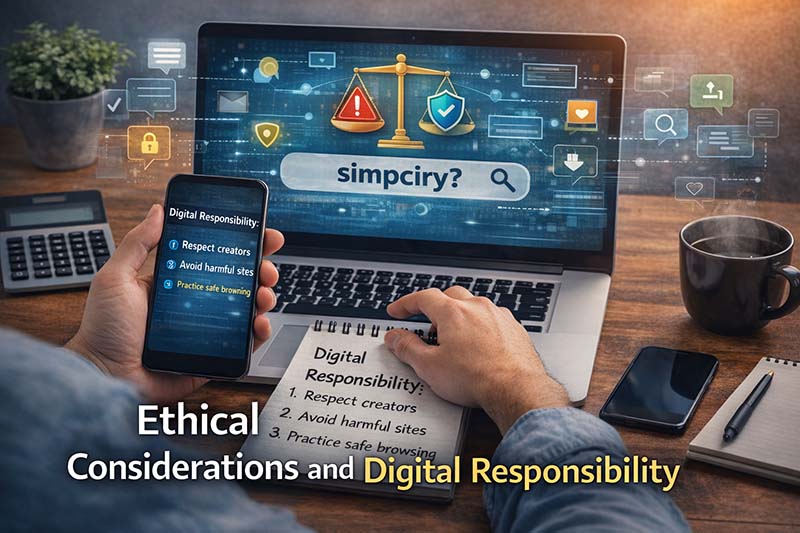
Beyond technical and legal risks, ethical issues also deserve attention.
Effects on Content Creators
Unauthorized sharing harms:
- Independent artists
- Online educators
- Subscription-based creators
- Small digital businesses
- Freelance professionals
When people bypass legitimate platforms, creators lose income and motivation.
Practicing Responsible Browsing
Ethical internet use involves:
- Respecting intellectual property
- Supporting official services
- Avoiding harmful communities
- Reporting suspicious activity
- Encouraging safe practices
Responsible behaviour helps maintain a healthier online ecosystem.
How to Protect Yourself While Browsing
Staying safe online does not require advanced technical skills. Simple habits can make a major difference.
Basic Safety Measures
- Use strong, unique passwords
- Enable two-factor authentication
- Keep software updated
- Install reputable antivirus tools
- Avoid public Wi-Fi for sensitive tasks
Smart Browsing Practices
- Verify website authenticity
- Read independent reviews
- Avoid unknown downloads
- Check for HTTPS security
- Review privacy policies
Being cautious is often the best defence.
Safer and Legal Alternatives
Rather than relying on questionable platforms, users can choose verified services that provide better security and reliability.
Trusted Options Include
- Licensed streaming platforms
- Official creator websites
- Reputable learning portals
- Verified discussion forums
- Paid subscription services
Advantages of Legitimate Platforms
- Stronger privacy protection
- Reliable customer support
- Higher content quality
- Clear usage policies
- Reduced legal risk
These benefits make legal platforms a smarter long-term choice.
FAQs
1. Is Simpciry legal to use?
Legality depends on the type of content shared. If copyrighted material is involved, using the platform may violate local laws.
2. Can these platforms harm my device?
Yes. Some contain malware, phishing links, or unsafe scripts that can damage your system.
3. Do I need to register to access content?
Some sections may require accounts, while others allow guest access. Both can pose privacy risks.
4. How can I tell if a website is trustworthy?
Look for clear policies, secure connections, genuine reviews, and transparent contact information.
5. What should I do if my data is compromised?
Change passwords immediately, scan your device, enable security alerts, and monitor your accounts closely.
Also Read: Newtopy Explained
Conclusion
Navigating the modern internet requires awareness, caution, and informed decision-making, and understanding the risks, legal implications, and safety concerns surrounding Simpciry allows users to protect themselves more effectively. By choosing reliable platforms, respecting digital rights, and developing smart browsing habits, individuals can enjoy online content while safeguarding their privacy, security, and reputation.