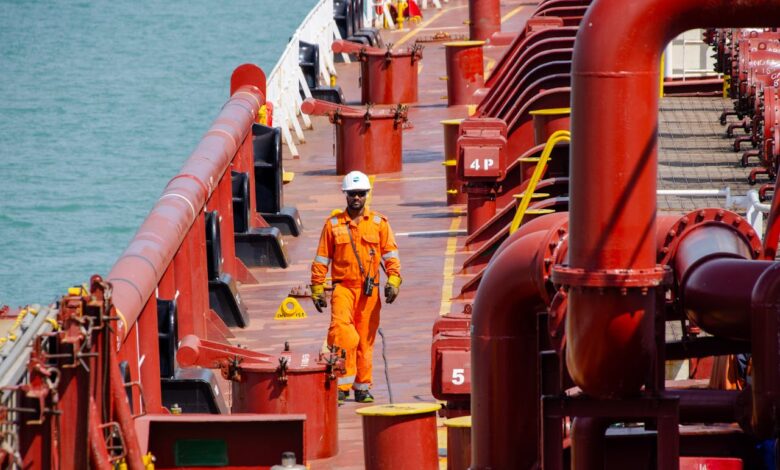
Industrial employment presents a special set of opportunities and difficulties that demand people to be ready for the physical, psychological, and logistical requirements of employment. Whether in manufacturing, construction, or another hands-on sector, these employments are essential for the economy and present chances for skill development. Knowing these factors will help to guarantee a good and sustainable experience in the field.
Understanding the Physical Demands of Industrial Work
One of the first things to consider when starting an industrial career is the physical nature of the labor. Many industrial professions need long hours on your feet, heavy lifting, and the ability to operate physically demanding machinery or tools. Ensuring long-term health and safety requires understanding the physical toll this type of activity can have on the body. Maintaining a high level of physical fitness allows one to meet the demands of their job while also taking the necessary precautions to avoid injury. Minimizing danger also relies heavily on adhering to safety standards and using the appropriate personal protective equipment.
Workplace Safety and Risk Management
Safety is the first concern in every kind of industrial employment. From running big machinery to handling dangerous chemicals, industrial settings sometimes carry natural hazards. Not only for personal well-being but also for the health and safety of colleagues, making sure the workplace adheres to all safety procedures is vital. It is imperative to become familiar with the particular safety rules and practices in existence before starting any industrial employment. This could cover everything from correct lifting methods to knowledge of the kinds of protective gear required for particular jobs. Furthermore, always keeping vigilant and aware of your surroundings helps to avoid mishaps.
Adaptability to Changing Conditions
Working in an industrial job requires being prepared for changing scenarios, such as a sudden shift in work tasks, unplanned changes in the workplace, or even issues caused by changing weather conditions. Flexibility and adaptability are crucial skills for those working in the industrial field. Many industrial duties can need irregular hours, shifts, or even the ability to work in adverse conditions, such as extremely hot or cold environments. It is critical to be able to adapt to these changes while maintaining motivation and attention. You can get assistance from an industrial staffing service, which frequently seeks individuals who are both skilled and versatile, as these workers are more likely to succeed in changing circumstances. Those who are adaptable to a changing workload and flexible enough to confront new challenges typically prosper and develop in the field.
Skills and Training Opportunities
The need for continuous skill improvement is another crucial factor while working in industrial occupations. Many industrial positions call for either specialized knowledge or the capacity to run particular machinery. The company or outside programs can supply training based on the position. Often in the industrial sector, constant learning is essential for learning how to properly operate a new machine, grasp the nuances of manufacturing processes, or enhance your capacity to deal with the latest technologies. Many industrial employment firms also provide training courses to enable employees to remain current with new technologies and industry norms. Putting money into personal growth and broadening your skill set will create chances for professional success and raise employment satisfaction.
Understanding Work-Life Balance
Long hours and physically demanding shifts are frequent in industrial jobs. A person’s work-life balance can suffer as a result, especially if overtime is required or if the job involves weekend work. To avoid burnout, limit one’s time and allocate it efficiently. Although the nature of an industrial job sometimes requires drive and concentration, overall well-being is dependent on understanding how to balance personal and professional responsibilities. This can include ensuring that there is adequate rest time between shifts, scheduling time off for leisure and personal hobbies, and remaining cognizant of personal needs. Maintaining physical and emotional health while performing at an industrial profession requires a strong work-life balance.
Conclusion
Industrial occupations are an exciting and gratifying career path for many people, but it’s crucial to be prepared for the specific challenges they provide. Workers can flourish in these professions by knowing their physical needs, keeping a focus on safety, establishing excellent communication skills, adjusting to changing conditions, always enhancing their skill set, and managing their work-life balance. Working with reliable industrial staffing companies that provide support and training will help those looking for chances in the industrial sector negotiate these obstacles.
Also Read: Why Every Plane Needs Hydraulic Fluid?